The Beat Between Lines: What a Pause Can Do in a Scene
Learn how to read a pause in a scene by tracing its setup, timing, and effect on the next exchange, without forcing one fixed interpretation.
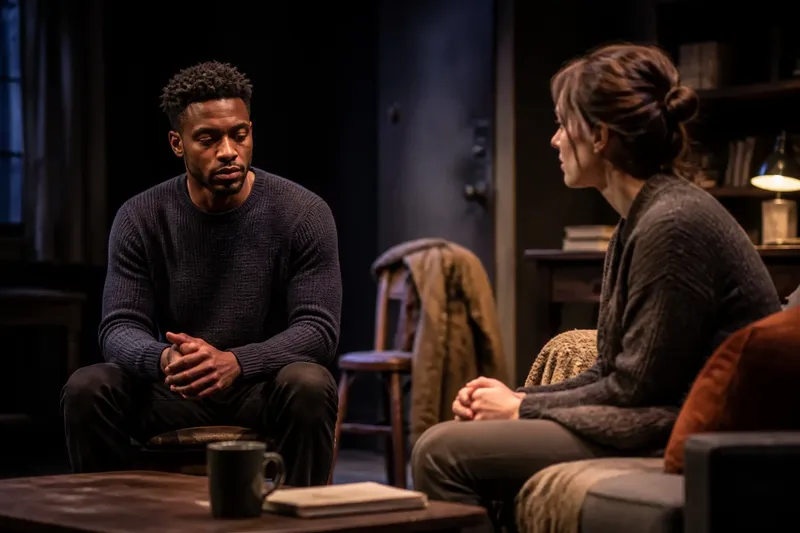
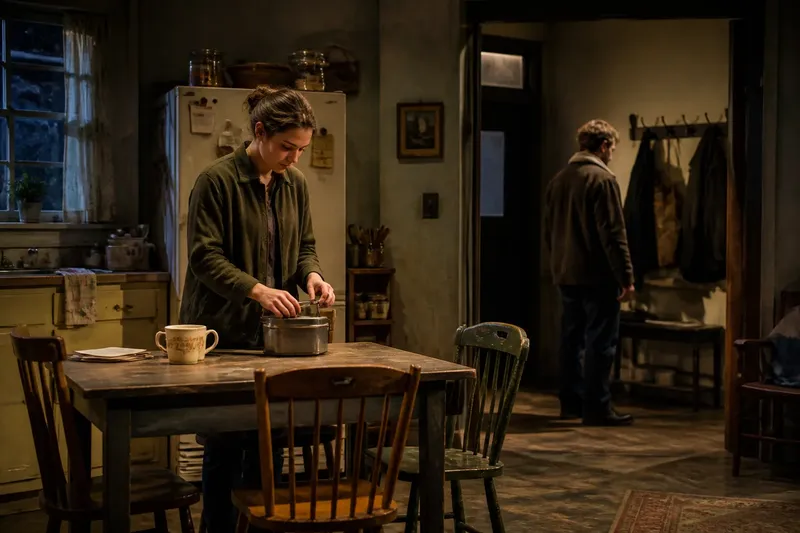
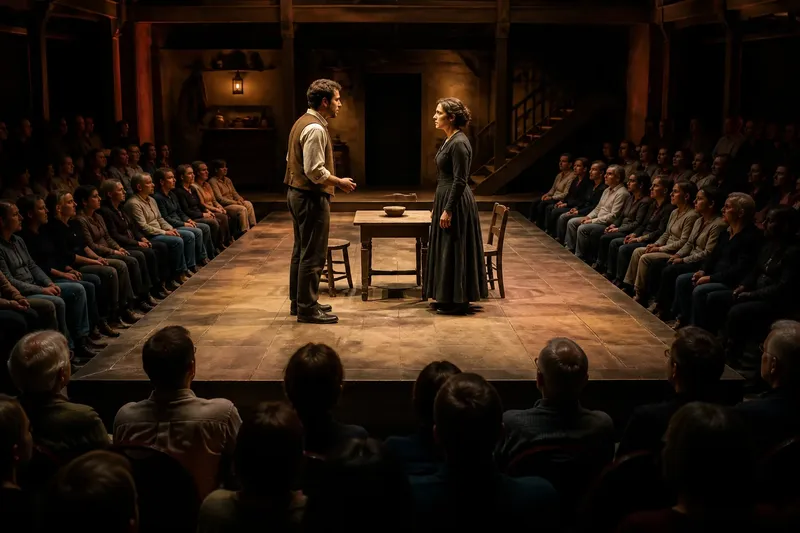
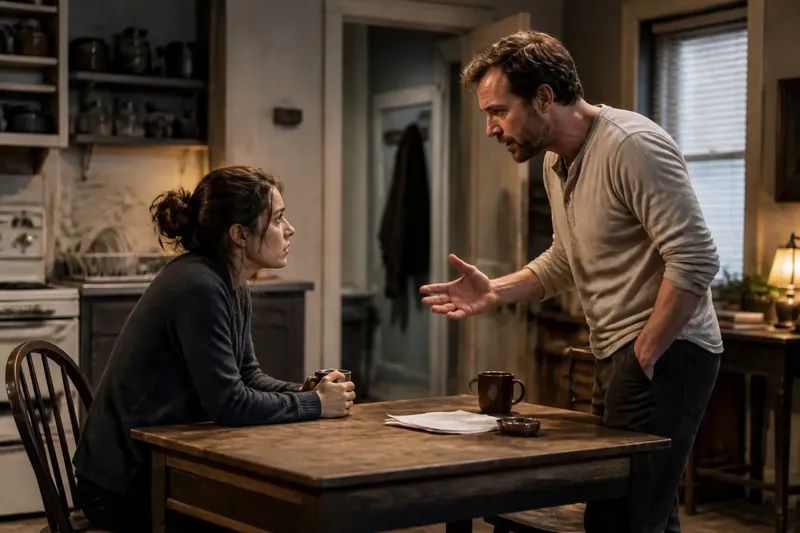
What does a pause in a scene change? It may leave a question unanswered, interrupt a thought, or give another character the chance to take the next turn. To read a pause in a scene, compare the words and stage directions around it, then notice how the exchange proceeds afterward.
A pause is less like a hidden message than a comma on the page: it shapes how the next thought lands, while the surrounding context supplies its force. That distinction helps actors, directors, and audiences discuss a silence without pretending that one gesture or duration reveals a character’s private motive.
Locate the pause within the exchange
Start with the line that comes before the silence. Does it ask for an answer, announce a decision, interrupt someone, or leave a thought unfinished? The pause’s position matters too. A break inside a sentence is different from one after a complete line or between two speakers.
A printed dash, ellipsis, or stage direction can suggest where an interruption or hesitation occurs, but it does not prescribe one universal delivery. In performance, actors and directors shape the timing in relation to the scene’s action. The next line can make a pause feel like a moment of consideration, an opening for another speaker, or a break in the conversation.
Keep the surrounding words specific. A silence after “I’m fine” puts that claim next to the character’s subsequent response; after a practical question, it may simply leave the answer pending. Neither line settles the interpretation by itself.
Use rhythm to hear what changes
Compare the pause with the dialogue immediately around it. A break in quick, overlapping speech can interrupt the scene’s established pattern. A silence within a measured exchange may feel less like a rupture and more like part of its cadence.
Then listen to the next line. Does it complete the thought, answer the question, start a new subject, or pass the turn to someone else? The change in structure can be more useful than a broad label such as “sad” or “tense.” Describe what the scene does before deciding what the pause might suggest.
Distinguish script notation from performance choices
A playwright’s pause can be marked with punctuation, a stage direction, or a deliberate gap between lines. Those forms offer different kinds of information: punctuation sits within a speaker’s phrasing, while a direction may indicate an interruption or an interval in the action. The notation gives actors a starting point, not a complete emotional instruction.
In rehearsal, a director and actors can try a timing that fits the surrounding action and see how it changes the next exchange. In a script reading, separate what is printed from what you infer. Onstage, describe the timing and action you actually observe rather than treating an imagined motive as fact.
Compare the silence with what follows
Does the next line answer the question?
If the reply addresses the question, the pause has held the answer back. If the speaker changes the subject, the original question remains unresolved in the dialogue.
Who takes the next turn?
If the same speaker resumes, the pause may sit within a continuing thought. If another character speaks, the silence has left room for that person to take the floor.
Does a stage direction interrupt the pause?
Check the script for an action or sound placed during the silence. It may alter the sequence of events before speech resumes, without assigning a single meaning to the pause.
What happens to the scene’s rhythm afterward?
Listen to several lines after the silence, not just the first reply. If the earlier pattern returns, the pause may mark a brief break; if the pattern changes, the interruption carries into the following exchange.
Test an interpretation against the script
Imagine an invented scene: Mara asks, “Are you coming with me?” Eli looks toward a coat on a chair, pauses, and says, “Not tonight.” The concrete sequence is a question, a look, a silence, and a refusal. The coat might connect the moment to leaving, but the script excerpt alone does not establish why Eli looks at it.
Now imagine the stage direction says, “Eli folds the letter and puts it in his pocket” during the pause. That action gives the silence a clear event to contain. If Mara speaks before Eli answers in a second version of the scene, the interruption changes who gets the next turn. A concise note could read: “The reply follows the letter being pocketed; the answer comes after an action rather than immediately after the question.” It records the sequence without claiming access to either character’s thoughts.
Record what the pause changes
Use these prompts when a silence seems to alter the scene. Each observation leads to a specific next question or decision, rather than a fixed emotional verdict.
- Check its position: If the pause interrupts a sentence, compare the unfinished thought with the next words; if it follows a complete line, identify who is expected to answer.
- Check the preceding line: If it asks a direct question, note whether the reply answers it; if it does not, record what the speaker says instead.
- Check the script notation: If a direction names an action during the silence, include that action in your reading; if none appears, do not invent one as a textual fact.
- Check the turn-taking: If the same speaker continues, track whether the thought resumes or changes; if another speaker enters, note that the turn has shifted.
- Check the rhythm: If the earlier pace returns, describe the silence as a break in that pattern; if the pace changes, follow the altered pattern into later lines.
- Check your interpretation: If the claim can be tied to a line, direction, or audible choice, keep it; if it depends on an unseen motive, phrase it as a possibility or leave it out.
When you read a pause in a scene, let what follows sharpen or complicate your first impression. A useful reading names the interruption, its place in the exchange, and the change it makes to the next line. That leaves room for actors and directors to make distinct choices while keeping discussion anchored in the play.